Breakthrough in Cuneiform Translation, The Behistun Inscription of Darius the Great (521-486B.C.).
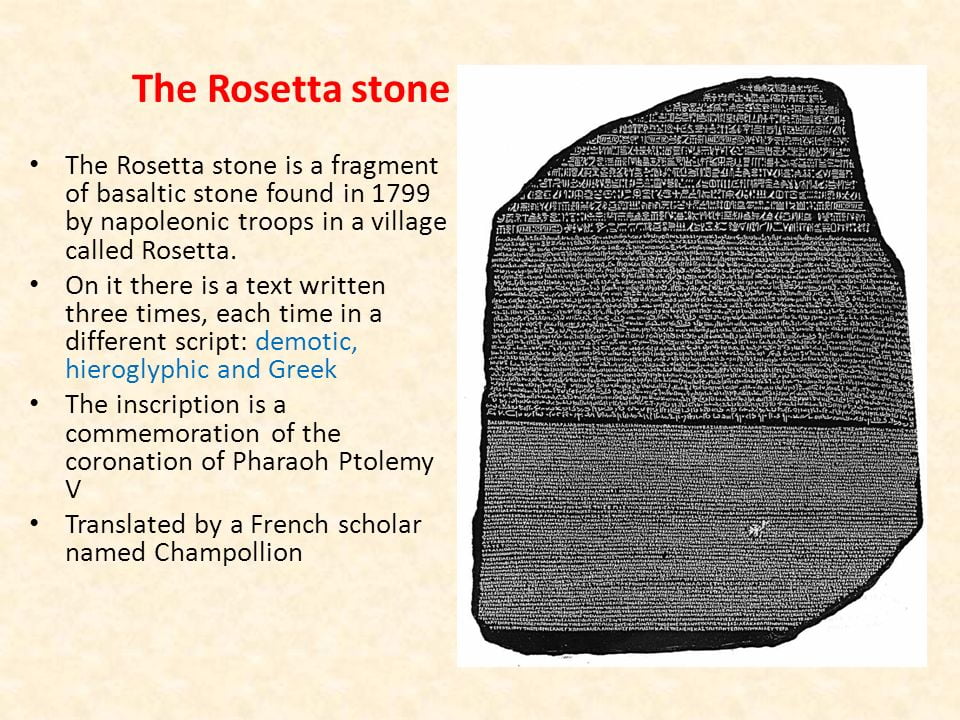
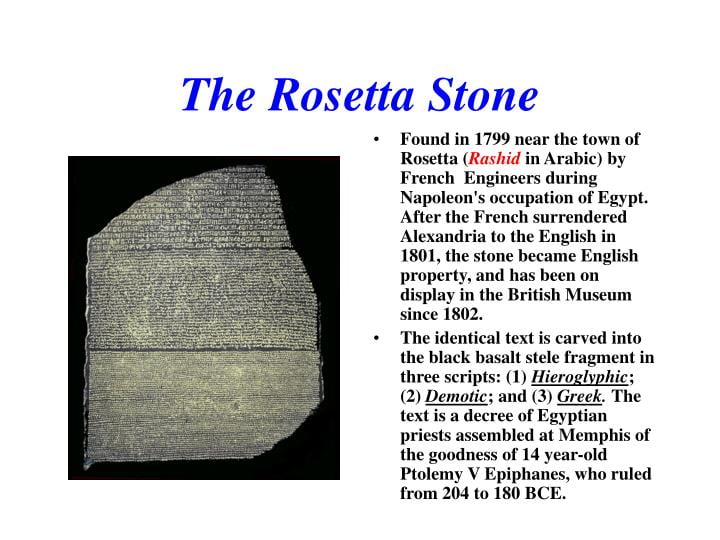
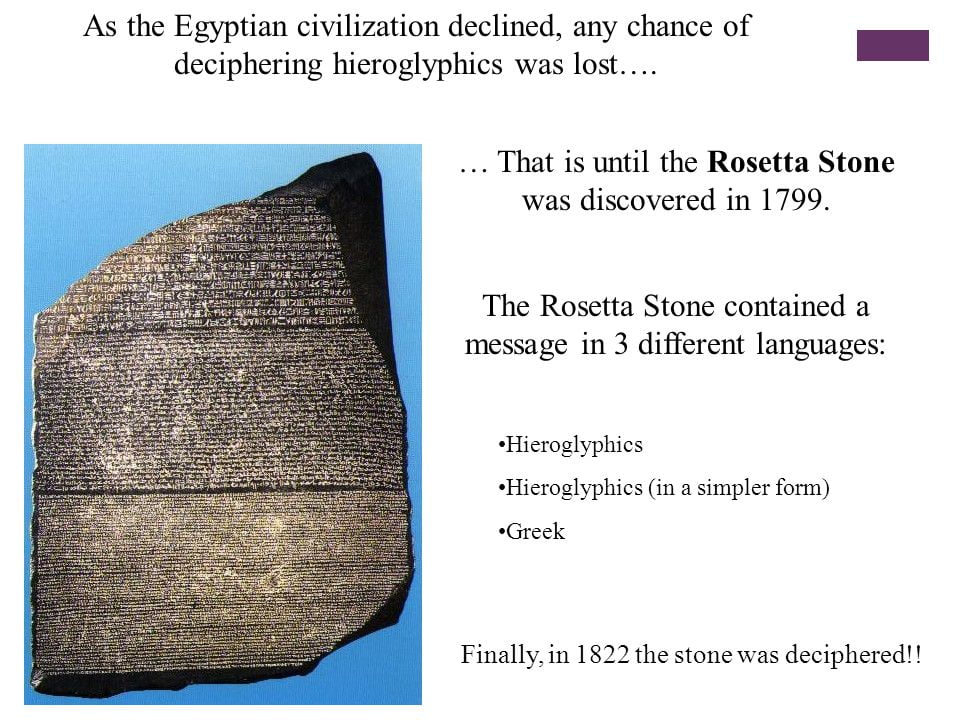
The Behistun Inscription is to cuneiform what the Rosetta Stone is to Egyptian hieroglyphs: the document enabled the decoding of the wedge shaped markings found on multiple thousands of tablets and inscriptions.
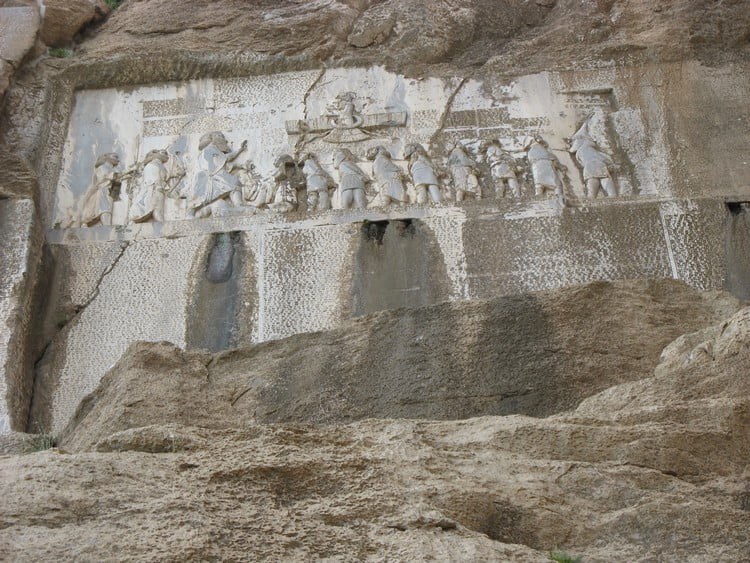
It is located in Iran and depicts Darius the Great, a king who started life as son of an officer in Cyrus’ army.
Carved around 500B.C., the inscription records Darius quelling several rebellions throughout the Persian Empire resulting from the deaths of Cyrus the Great and his son Cambyses II.
The inscription includes three versions of the same text, written in three different cuneiform script languages: Old Persian, Elamite, and Babylonian.
A British army officer, Sir Henry Rawlinson, had the inscription transcribed in two parts, in 1835 and 1843.
Rawlinson was able to translate the Old Persian cuneiform text in 1838, and the Elamite and Babylonian texts were translated by Rawlinson and others after 1843.
Babylonian was a later form of Akkadian: both are Semitic languages.